
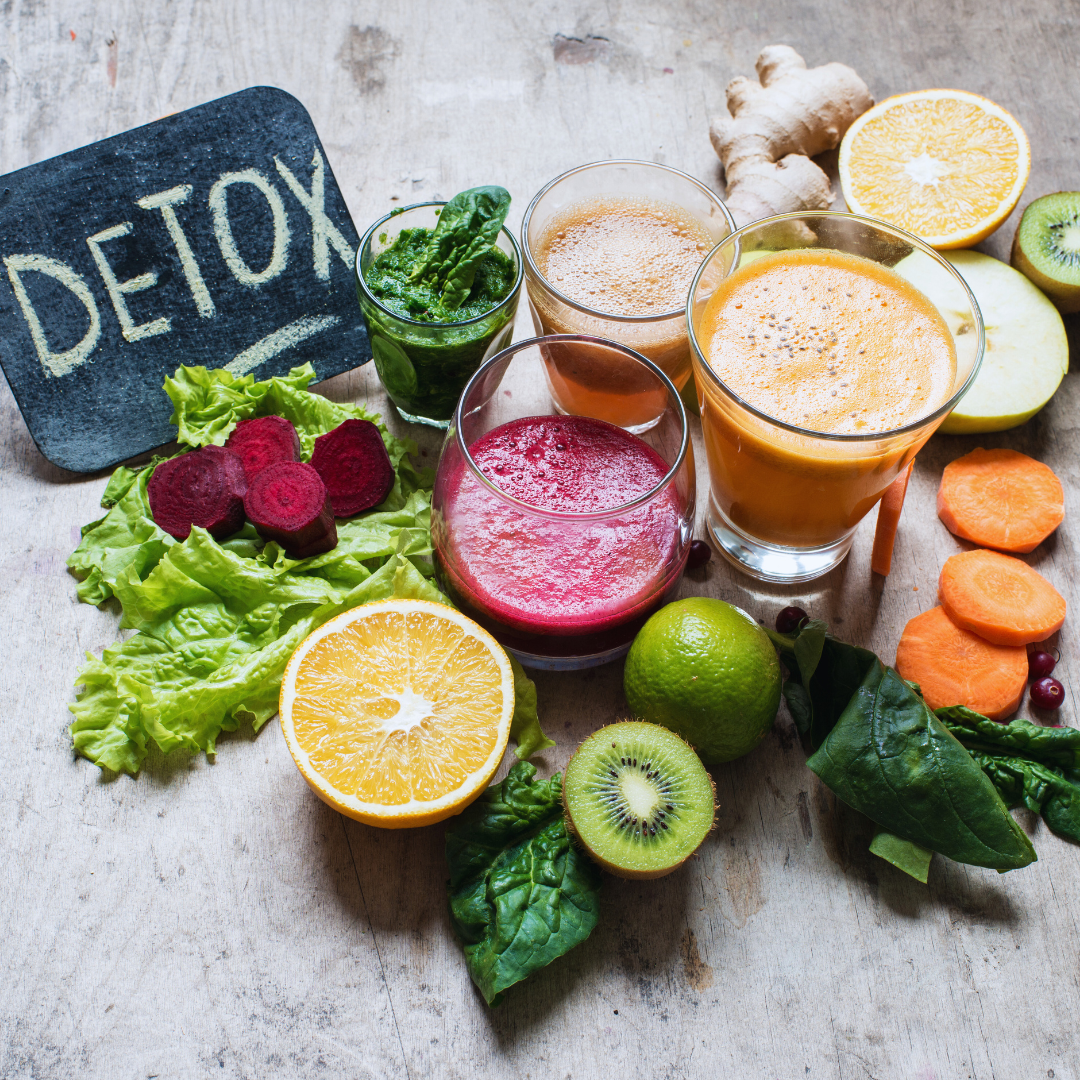

You may feel tempted to believe a juice cleanse will flush toxins and reset your health overnight. Science does not support a magical detox, but it does explain what juice-only periods can and cannot do for your body.
A short juice cleanse does not remove toxins the way many marketing claims suggest, though it can change calorie intake, hydration, and nutrient exposure — and those changes explain most short-term effects people notice. This article walks through how the body actually handles waste, what evidence says about benefits and risks, and how to decide whether a juice plan fits your goals.
Juice Cleanses and Detox: What the Science Really Says
Juice cleanses promise toxin removal, quick weight loss, and improved energy. Scientific evidence evaluates those claims against how the body actually eliminates waste and the physiology affected by calorie restriction.
How Juice Cleanses Work
Juice cleanses typically replace solid food with fruit and vegetable juices for 1–10 days. Participants often consume 500–1,200 kcal/day, creating a calorie deficit that causes rapid water and glycogen loss and short-term weight reduction.
Proponents claim juices flush “toxins” through nutrients and antioxidants. In reality, juices supply vitamins, phytochemicals, and sugars, but usually lack protein and fiber. The absence of protein can reduce muscle protein synthesis and lower resting metabolic rate during longer fasts.
Juice fasting can change metabolism: glycogen stores deplete within 24–48 hours, then fat oxidation increases. Some people report improved digestion or energy, but such effects often reverse once normal eating resumes. Adverse effects include dizziness, headache, electrolyte imbalance, and potential hypoglycemia in vulnerable individuals.
The Body’s Natural Detoxification Systems
The liver and kidneys perform primary detoxification and elimination functions continuously. The liver metabolizes endogenous waste and xenobiotics via phase I and II enzymatic pathways (e.g., cytochrome P450, conjugation), producing water-soluble metabolites. The kidneys filter blood, excrete water-soluble compounds, and maintain electrolyte balance.
Other contributors include the lungs (volatile compound exhalation), skin (sweat), and the gastrointestinal tract (fecal excretion of non-absorbable substances). Adequate protein, hydration, and micronutrients support enzyme function; severe calorie restriction or nutrient deficiency can impair these systems.
“Detox diets” rarely demonstrate measurable changes in hepatic enzyme activity or renal clearance. Medical conditions (liver or kidney disease) alter detox capacity; juice cleanses do not restore impaired organ function and can be risky for those patients.
Scientific Evidence Behind Detox Claims
Controlled studies show limited support for the idea that juice cleanses remove defined toxins. Biomarker studies measuring heavy metals, pesticides, or metabolic waste before and after cleanses generally find no consistent reduction attributable to the cleanse itself. Short-term reductions in body weight and blood pressure often reflect fluid loss and reduced sodium intake, not toxin elimination.
Clinical trials of detox diets are small and heterogeneous, with methodological problems like a lack of controls and short follow-up. Reviews conclude insufficient evidence that detox or juice cleanses enhance liver or kidney detoxification pathways. Some randomized studies of calorie-restricted interventions show metabolic improvements, but these stem from caloric restriction and nutrient changes rather than a unique “detox” action.
Potential measurable harms include electrolyte abnormalities and loss of lean mass. For most people, sustaining balanced diets with adequate protein, fiber, and hydration better supports the body’s natural detoxification than short-term juice fasting.
Potential Benefits and Risks of Juice Cleanses
Juice cleanses can change calorie intake, hydration, and nutrient exposure quickly. They often produce short-term weight changes and affect blood sugar, electrolytes, and gut function in measurable ways.
Nutritional Aspects and Short-Term Effects
Juice-only plans often reduce calorie intake sharply, which can produce short-term weight loss and loss of water weight. Vegetable juices (for example, spinach, cucumber, and celery blends) supply vitamins and some minerals, while fruit juices provide vitamin C and quick carbohydrates.
Most juices lack fiber because juicing removes pulp, which reduces benefits for gut bacteria and slows glucose absorption. Low fiber plus rapid sugar intake can cause blood sugar spikes, then dips, increasing fatigue and irritability. Some people experience improved hydration when they replace processed foods and drink more fluids, but juices can also be low in protein and healthy fats, risking muscle mass loss during prolonged calorie restriction.
Health Risks and Side Effects
Juice cleanses can cause electrolyte imbalances, dehydration, headaches, and lightheadedness when sodium, potassium, and magnesium intake falls or when caloric intake drops too low. People with diabetes, on insulin or sulfonylureas, risk dangerous low blood sugar or unpredictable glucose swings from high-sugar fruit juices. Those with kidney disease or heart conditions should avoid sudden changes to potassium or fluid loads.
Extended juice-only diets increase the chance of nutrient deficiencies (iron, B12, zinc), reduced immune function, and muscle loss. Laxatives, enemas, and extreme fasting raise risks of electrolyte disturbances and disordered eating behaviors. Registered dietitians and healthcare professionals advise caution, especially beyond a 1–3 day period.
Juice Cleanses Versus Sustainable Healthy Habits
Short juice fasts may jump-start a person’s interest in fruits and vegetables, but they do not replace balanced meals with whole foods, whole grains, protein, and healthy fats for long-term weight management. Sustainable weight loss and reduced obesity risk come from consistent calorie deficits, regular physical activity, and eating habits that preserve muscle mass and gut health.
For lasting changes, blending vegetables into smoothies or increasing whole fruits and vegetables preserves fiber and benefits gut bacteria. A balanced diet better supports cholesterol, blood pressure, and metabolic health than repeated juice-only cycles. Professionals recommend consulting a registered dietitian before trying repeated or extended juice fasts to avoid nutrient gaps and protect cardiovascular and metabolic health.