
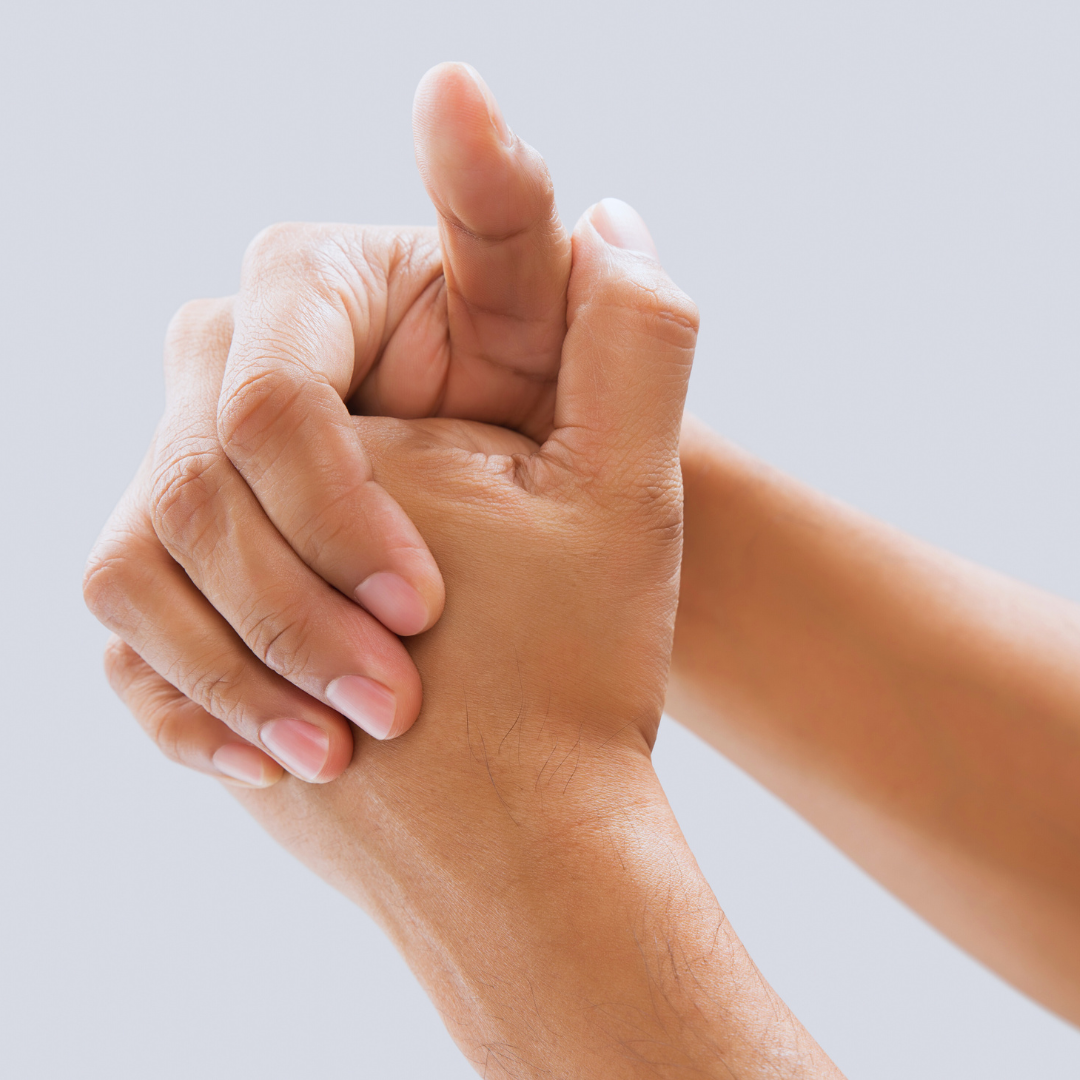

You probably heard the claim that cracking knuckles leads to arthritis and wondered if it’s true. Scientific evidence does not support a direct link between habitual knuckle cracking and developing arthritis, though it can cause temporary joint swelling or reduced grip strength for some people.
This article will unpack the studies, explain what actually happens inside the joint when you crack knuckles, and outline the real risks to joint health so you can make an informed choice about the habit.
The Knuckle Cracking–Arthritis Connection: Myth or Medical Fact?
Cracking knuckles produces an audible pop and some temporary joint sensation, but long-term joint damage and clinically diagnosed arthritis are not supported by strong evidence. Medical research, imaging studies, and expert opinions focus on synovial mechanics and observational outcomes rather than anecdote.
What Happens When You Crack Your Knuckles
Cracking knuckles typically involves rapid traction or bending of a finger joint, increasing joint volume briefly. That sudden volume change lowers pressure in the joint capsule, causing dissolved gases in synovial fluid to form a bubble that collapses or pops; this produces the characteristic sound.
The process is mechanical and reversible in the short term. Studies using ultrasound and MRI show gas bubble formation and collapse (cavitation) rather than bone or cartilage disruption. Some people report a temporary increased range of motion or a feeling of relief after popping knuckles, while others feel minimal change.
Repeated audible popping does not consistently correlate with tissue damage on imaging. However, aggressive or forceful manipulation beyond the normal range could irritate surrounding soft tissues, ligaments, or tendons in rare cases. Hand surgeons advise avoiding painful manipulation, not routine, painless popping.
Scientific Research and Debunking the Myth
Multiple controlled studies have investigated whether habitual knuckle cracking causes arthritis. A well-known 1990s study comparing the cracked and non-cracked hands of habitual crackers found no increase in osteoarthritis on X-rays in the finger joints of the cracked side. Larger observational studies and reviews since then have generally failed to show a causal link between knuckle cracking and clinical osteoarthritis.
Imaging studies support cavitation mechanics without progressive cartilage loss from typical cracking. One caveat: some studies report more hand swelling or reduced grip strength in long-term habitual crackers, but findings are inconsistent and not equivalent to diagnosed arthritis. Meta-analyses emphasize low-quality evidence for harm; high-quality randomized trials are impractical for ethical and logistical reasons.
Clinicians differentiate between harmless habitual knuckle cracking and behaviors that cause pain or soft-tissue injury. When patients present with pain, swelling, or functional decline, hand surgeons and rheumatologists evaluate for true joint disease rather than assuming cracking as the cause.
Origins of the Arthritis Myth
The arthritis myth likely originated from observational associations and anecdotal warnings by parents and physicians rather than from controlled science. Early 20th-century medical advice often cautioned against joint manipulation without clear mechanistic evidence, creating cultural transmission of the belief.
Public stories of people who cracked knuckles and later developed hand arthritis reinforced the narrative, despite lacking controlled data. Misinterpretation of joint swelling or decreased grip in some habitual crackers contributed to fear, even though those outcomes are not consistently observed.
Media summaries and lay health advice repeated the association, amplifying the myth. Contemporary medical commentary corrects the record by pointing to cavitation physics, imaging studies, and the absence of consistent radiographic osteoarthritis tied to routine cracking.
Understanding Joint Health: Risks, Joint Function, and Facts Beyond the Myth
Knuckle cracking links to immediate joint noises and transient sensations, but not proven to cause long-term arthritis. Joint health depends on cartilage integrity, synovial fluid function, and patterns of use and injury.
What Really Causes Arthritis
Arthritis represents damage or inflammation of joints, most commonly osteoarthritis in the hands. Hand osteoarthritis arises from cartilage wear, subchondral bone changes, and altered biomechanics — often affecting the distal and proximal interphalangeal joints and the base of the thumb. Risk factors include age, female sex, prior joint injury, repetitive joint stress, genetic predisposition, obesity, and inflammatory conditions like rheumatoid arthritis. Synovial joint degeneration shows cartilage thinning, osteophyte formation, and reduced synovial fluid lubrication, which produce joint pain, stiffness, and decreased range of motion. Clinical diagnosis relies on history, physical exam, and imaging (X-ray shows joint space narrowing and osteophytes). Preventing progression focuses on modifiable risks: protecting from injury, managing weight, and treating inflammatory disease early.
Potential Effects of Habitual Knuckle Cracking
Studies over decades found no consistent link between habitual knuckle cracking and developing arthritis. Large observational studies comparing habitual crackers to non-crackers did not show increased hand osteoarthritis on X-ray. However, frequent forceful manipulation can cause soft-tissue injury: transient ligament laxity, swelling, and reduced grip strength have been reported anecdotally and in small studies. Repeated vigorous cracking might irritate the synovium or stretch periarticular tissues, leading to discomfort or occasional instability in susceptible individuals. Occasional knuckle crack produces a gas bubble collapse in synovial fluid (cavitation) and transient joint separation, with no proven cartilage damage in normal joints.
Maintaining Healthy Hands and Joints
Preserve joint health by optimizing mechanical load and nutrition. Perform hand exercises to maintain grip strength and tendon balance: pinch-work, rubber-ball squeezes, and finger extension bands three times weekly improve function. Use ergonomic tools and avoid repetitive high-impact tasks; modify tasks if pain or swelling occurs. Manage systemic risks: achieve a healthy weight, control blood glucose, and treat inflammatory arthritis with disease-modifying therapy when indicated. For symptomatic joints, apply cold for acute swelling and heat for stiffness; consult a clinician for persistent pain, instability, or reduced grip strength. Regular assessment of hand function and early intervention for injury reduces the chance of progressive joint degeneration.